
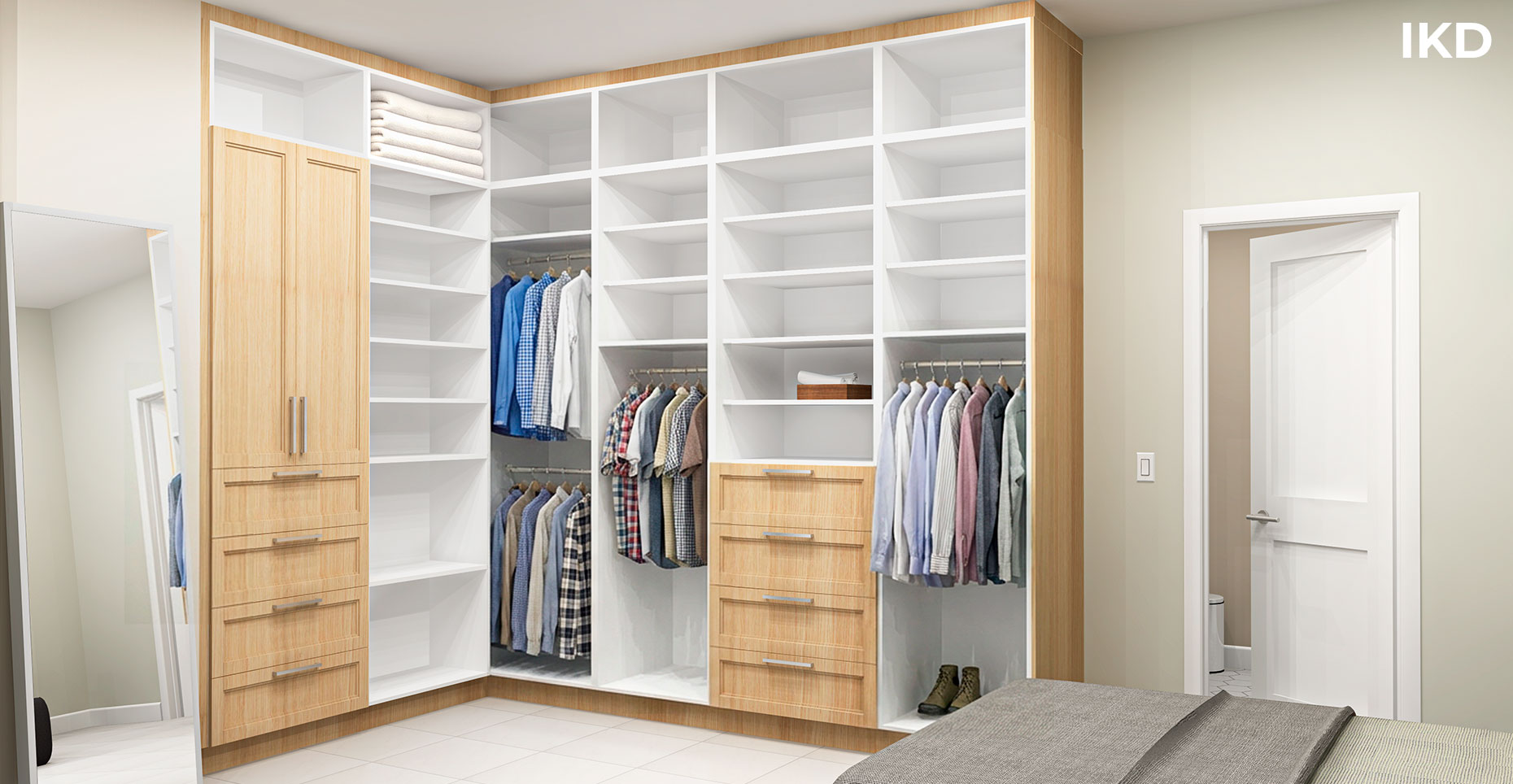
So many of us have spent a Saturday night watching IKEA closet hacks on TikTok, saving videos of closets that look worthy of a home tour? The good news is that a premium, built-in look can be much closer than it seems, especially when you treat IKEA as a foundation, not the finish line.
The key isn’t just buying IKEA components. It’s knowing how to design them differently to turn a standard IKEA closet into a distinctive, customized space. That’s what we do at IKD: we use reliable IKEA products as the starting point, then rework the plan, proportions, and finishing details so the final result feels made-to-order and tailored to the home. It’s about whole room thinking, getting creative, and layering in custom touches that elevate affordability into something that looks high-end.
In this post, we’re sharing how to achieve a luxe closet experience while staying within an IKEA budget, why mixing SEKTION with PAX can unlock more flexibility, and which design upgrades make the biggest difference. You’ll also learn how to use depth and height to maximize space and create a more architectural, built-in look, so you can stop scrolling past closets you envy and start building one that feels like yours.
A closet built for you
The core of a truly premium closet is a plan. Every inch of your closet space, the types of clothes in your wardrobe, ceiling height, bulkheads, angled walls, and any jut-outs all need to be considered. The most important question is simple: what problems should this closet solve for you—more hanging space, better shoe storage, more drawers, a cleaner layout, or all of the above?
From there, the “hack or modify” strategy begins. This doesn’t mean hacking in a DIY or unsafe sense; it means re-imagining standard IKEA products into custom shapes, sizes, and configurations. Each design decision should move the closet closer to a polished, cohesive result that fits the space and supports daily routines, rather than forcing a room to accept a one-size-fits-all layout.
For example, instead of placing wall cabinets with empty space above, we’ll run them all the way to the ceiling. That single design shift mimics custom millwork closets you’d see in boutique dressing rooms. Although IKEA didn’t consider SEKTION wall cabinets for closets, the right design logic and proper support can make them work beautifully in that role.
SEKTION for closets?
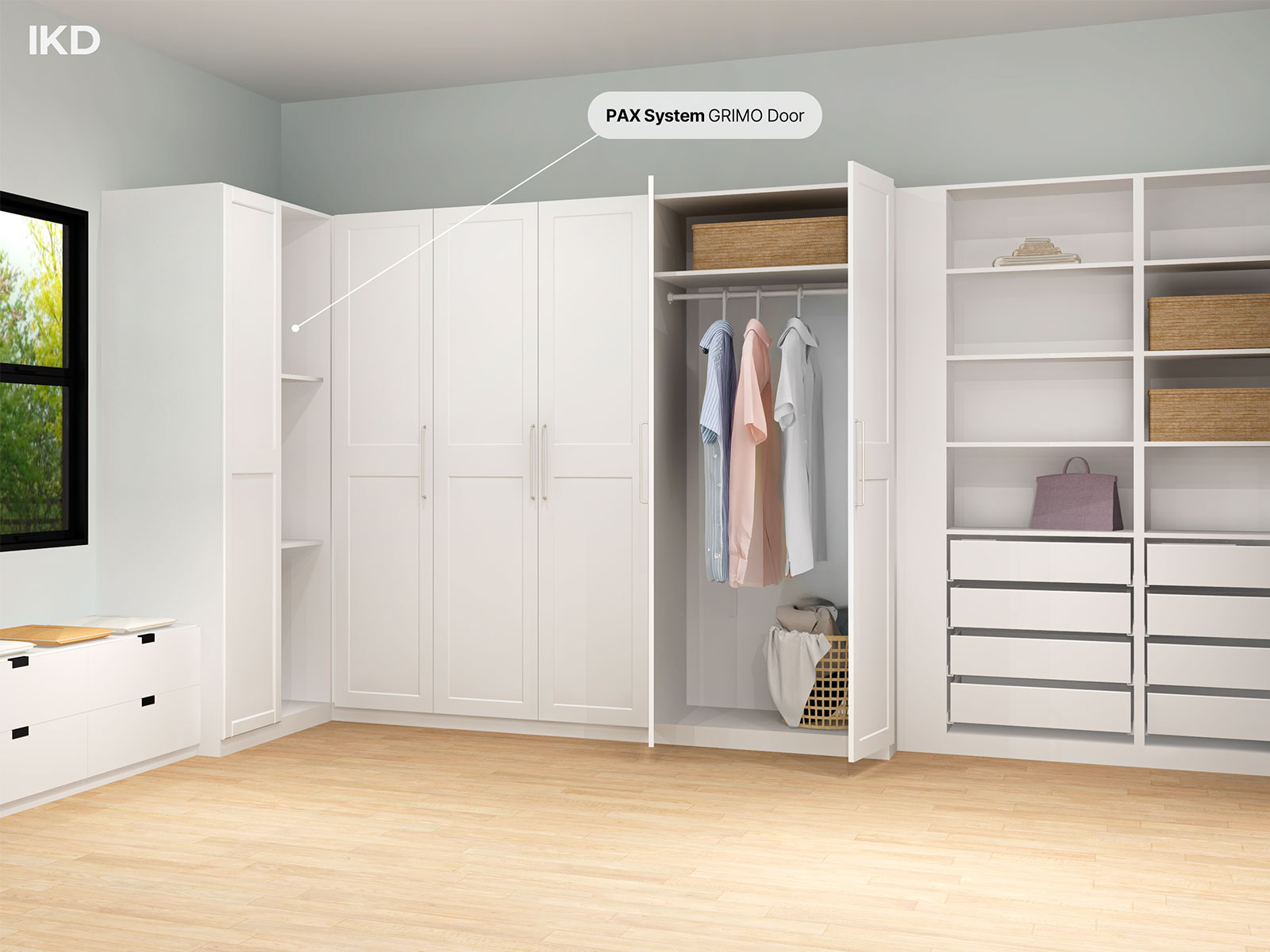
When you think of IKEA closets, the PAX wardrobe system probably comes to mind. PAX is popular for good reason: it’s simple, modular, and relatively affordable. But for high-end closet projects, we often prefer to use SEKTION, IKEAs kitchen cabinet system, as the structural base instead.
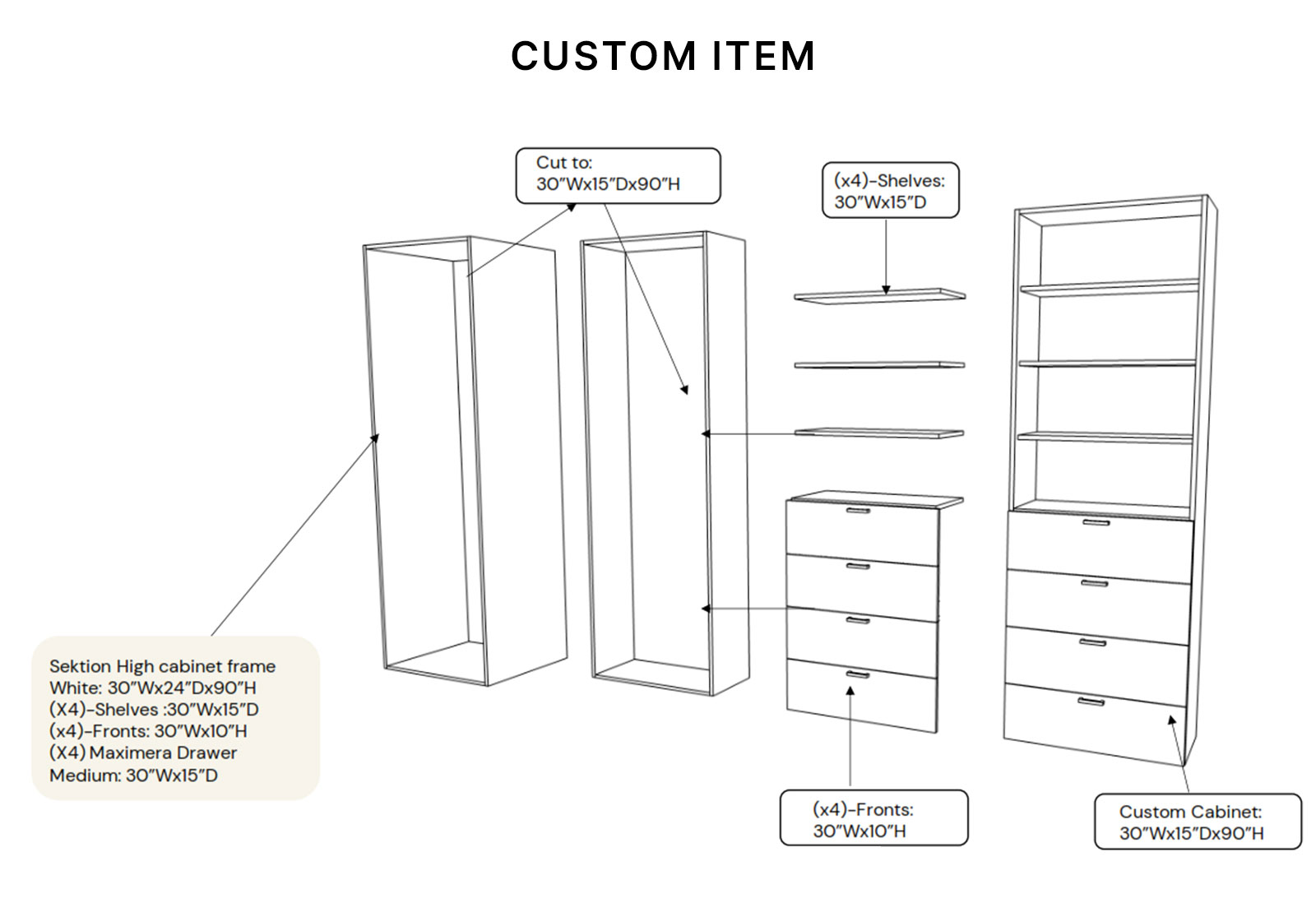
SEKTION offers design flexibility that makes it easier to create a distinctive, built-in look. Aside from being stronger because it’s built for kitchens, SEKTION also offers multiple depths that can be adjusted as needed, different height options that can be extended with molding, more widths for better-proportioned closet sections, and cabinet boxes that can be strategically modified or trimmed down to suit the space.
Because SEKTION is modular, it’s also easier to integrate custom doors, gables, and trim pieces without fighting against the standard proportions of PAX. You can absolutely mix in PAX components where they make sense, but when the goal is a premium finished result, SEKTION often gives you more control over the final look.
The importance of depth
Luxury closets often feature deeper shelving for handbags, accessories, and fold-stacked clothing. Using SEKTION allows for these deeper storage sections without sacrificing the sleek built-in look. It’s one of the most practical ways to create better organization while also making the closet feel more intentional and substantial.
The value of height
One of the most powerful visual upgrades is taking cabinets from floor to ceiling. SEKTION wall cabinets are ideal for this. By stacking a combination of base cabinets and wall cabinets, then finishing the top with crown molding, you can create a built-in that looks far more expensive than the sum of its parts.
PAX is harder to extend in a DIY-friendly way because its heights stop several inches short of most ceilings. That can leave awkward gaps that require fillers or custom carpentry to hide. When height is designed in from the start, the entire wall reads as finished and architectural.
The magic of custom doors
Custom doors can have the biggest impact on the look of a premium closet. IKEA’s off-the-shelf door styles are functional and modern, but they can limit the design if you’re trying to create something that feels truly distinctive.
Fortunately, many third-party door companies specialize in producing made-to-order fronts that fit IKEA systems. This opens up significant customization: you can choose upgraded materials, tailored profiles, and custom colors that align with your home’s style. It’s also one of the most effective ways to ensure the closet doesn’t look like IKEA when it’s finished, because the most prominent visual element (doors and drawer fronts) becomes fully personalized.
Doors also make it easier to layer in contrast and detail for a higher-end result. Pairing a wood finish with glass, a matte finish with refined metal accents, or soft lighting with clean cabinetry can change the entire feel of the space. Those combinations are achievable because the IKEA foundation stays consistent while the visible finish is made-to-order.
The power of molding
Molding on bread? No thanks. But molding on cabinets can completely change the finish quality of a closet. How “complete” the installation looks is a big factor in premium design. Gaps, uneven lines, and visible seams can cheapen the appearance, even if the functional layout is excellent.
Molding and trim are how you solve that. Crown molding at the ceiling, base molding along the floor, side fillers to close gaps against walls, and toe-kick modifications for a more furniture-like appearance all help create a flush, integrated look. When trim work is done well, it becomes difficult to see where IKEA ends and built-in millwork begins.
Handle and hardware upgrades
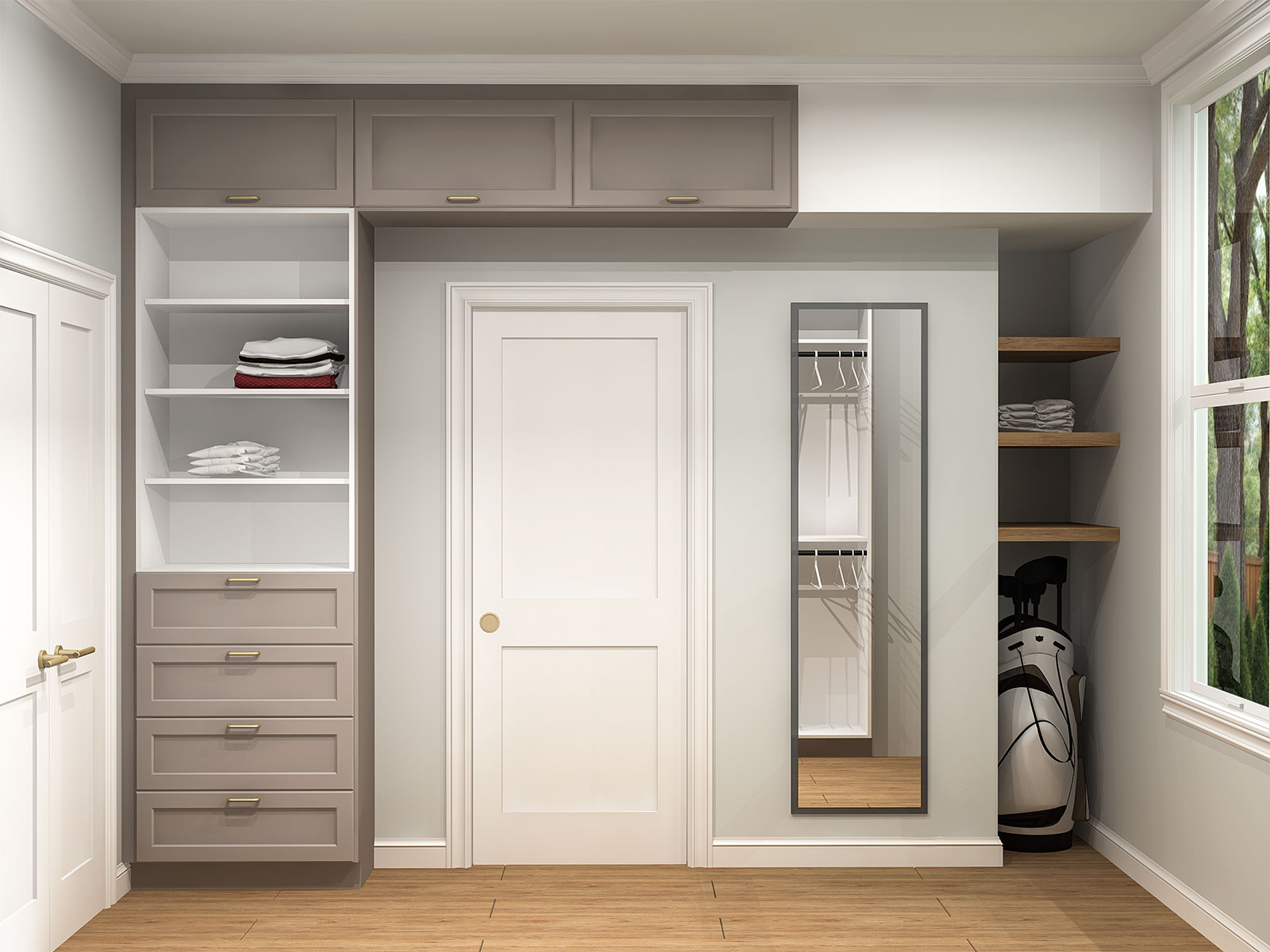
Luxury is in the details, and hardware plays a major role in how a closet reads. Upgraded handles and knobs can shift the feel of a space from standard to premium quickly, especially when paired with custom doors and a finished trim package.
Rather than treating hardware as an afterthought, it helps to select it like any other design finish. Consider the style of your home, the mood you want the closet to have, the materials already in the bedroom, and whether you want the finishes to coordinate with other rooms. Made-to-order hardware choices—paired with made-to-order fronts—add another layer of personalization and further reduce any “off-the-shelf” look.
Time to start designing your premium closet
It’s clear that a distinctive closet doesn’t need to be custom millwork built from scratch. Start with a smart, well-planned design, be intentional in how you modify standard IKEA components, and use IKEA’s strong foundation to your advantage.
Swap out PAX and use SEKTION where it makes sense to access more flexible dimensions. Finish the installation with molding and trim, made-to-order doors, and upgraded hardware. The result is a closet that feels built for your home—and one you’ll actually want to show off, not just scroll past online.
Looking for help bringing it all together? At IKD, we specialize in turning IKEA’s most versatile systems into storage spaces that feel personal, elegant, and tailored. With the right planning and a few high-impact upgrades, standard IKEA modules can become the centerpiece of a premium dressing space.
Work with our certified designers to get a personalized IKEA closet designed around your needs and vision. If you’re interested in learning more about our service, make sure to check out our IKEA Closet Design Services.



IKD Past Projects
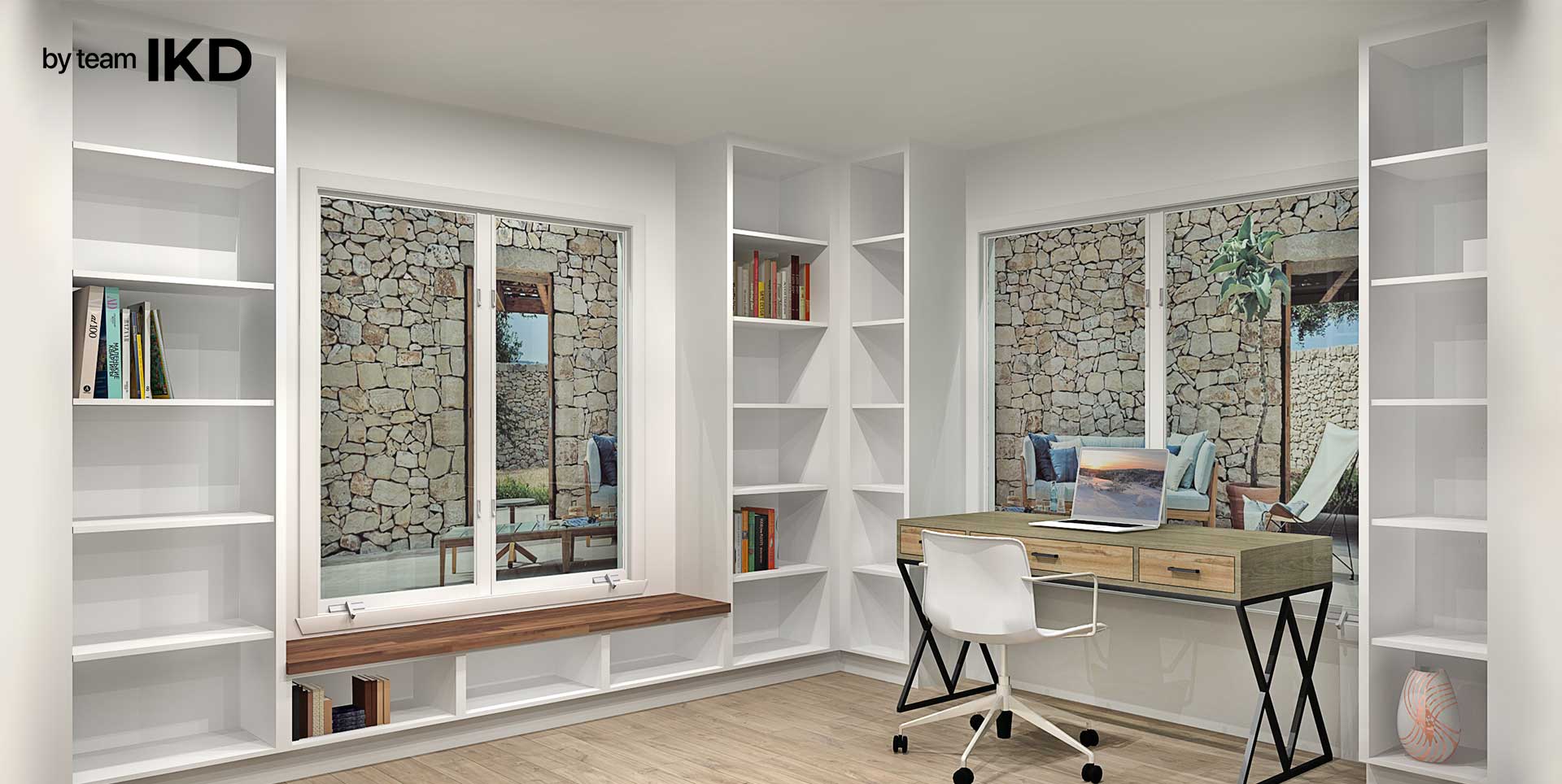
Transforming a Cluttered Storage Space Into a Modern Office Library
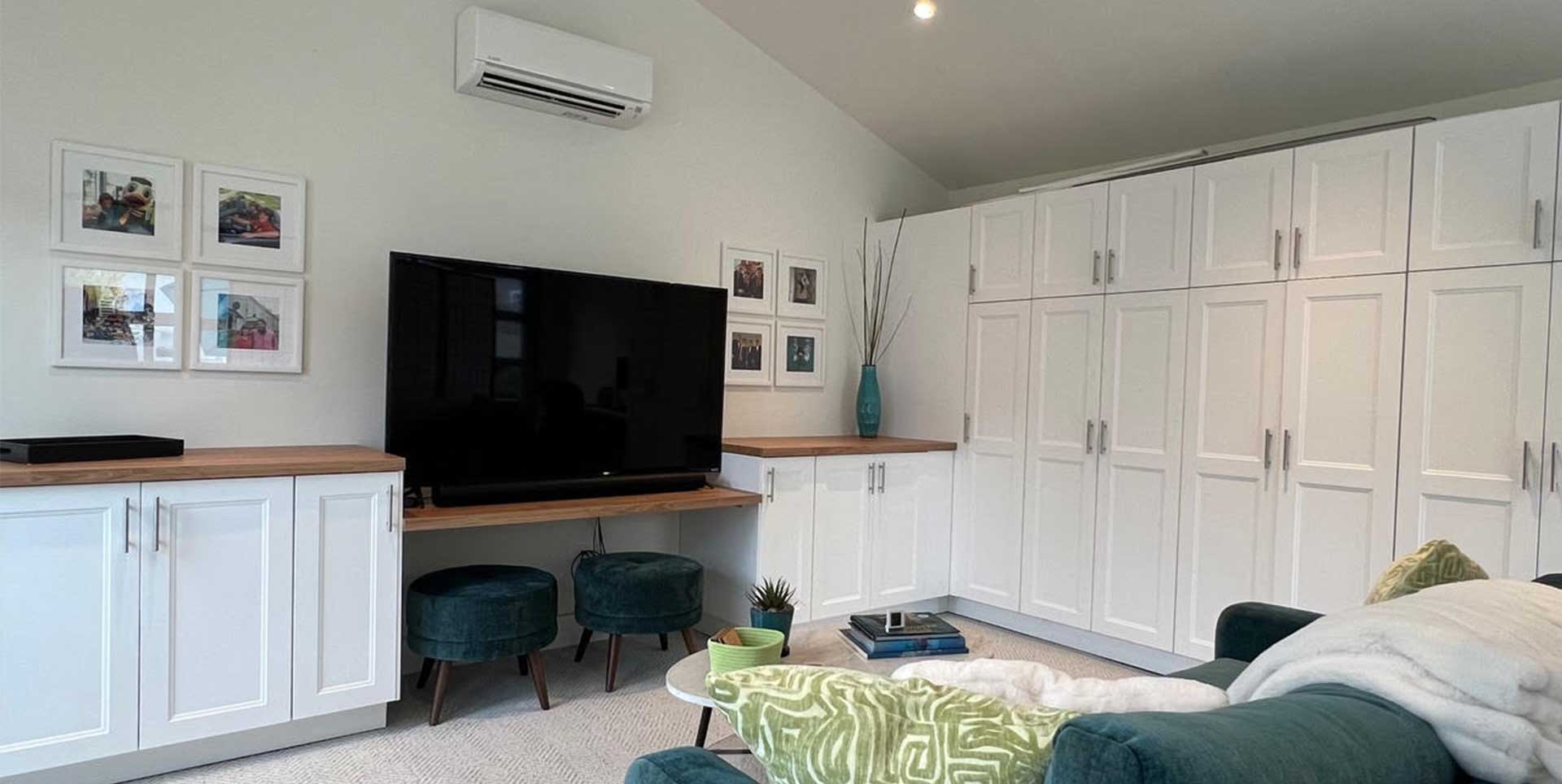
IKEA Laundry Room & Garage Remodel in Burbank, California
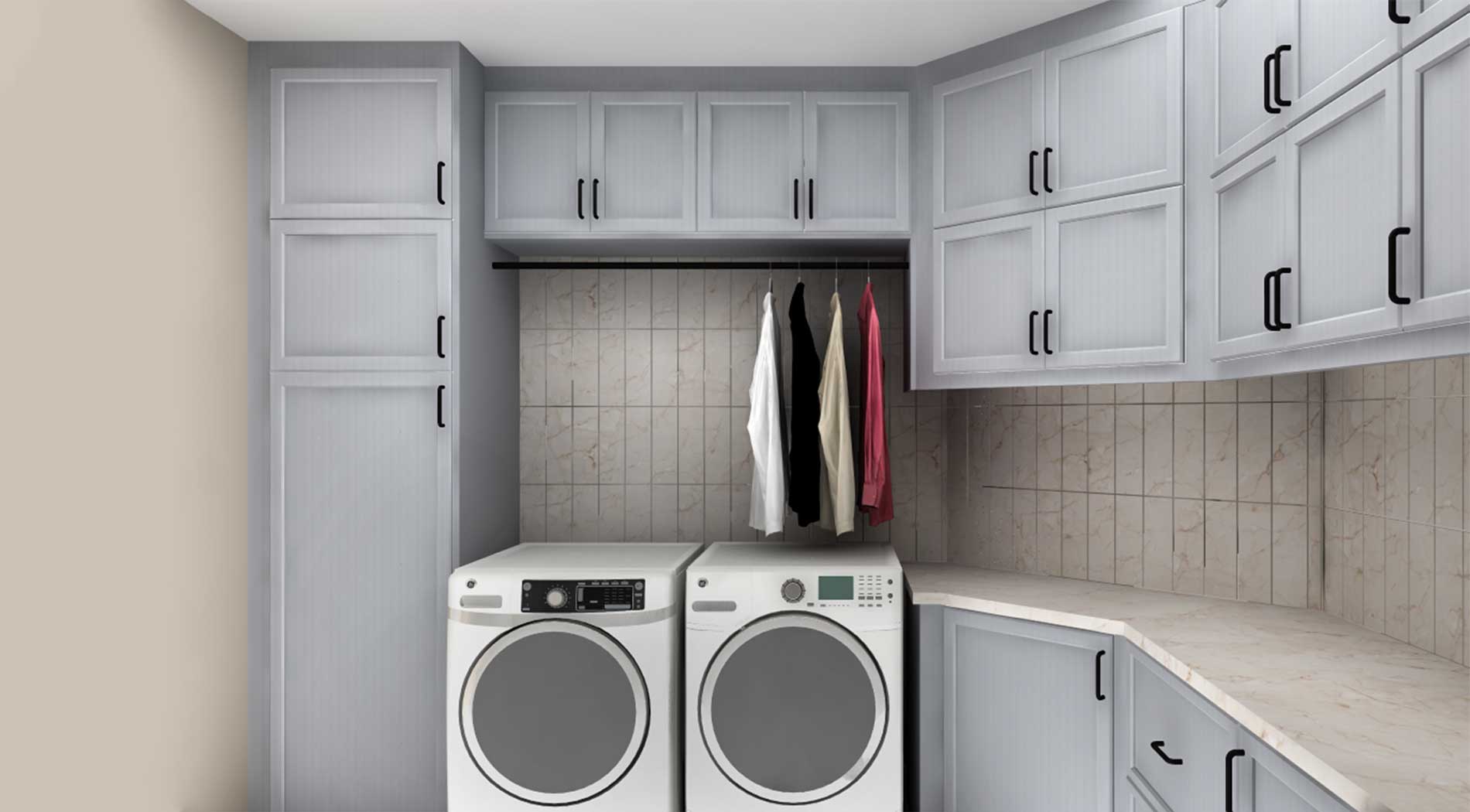
IKEA Laundry Room Uses Customized IKEA Cabinets to Overcome Design Challenges

IKEA Wardrobe & Mudroom Design in Australia | IKD Case Study

This family of five modernized their IKEA kitchen area
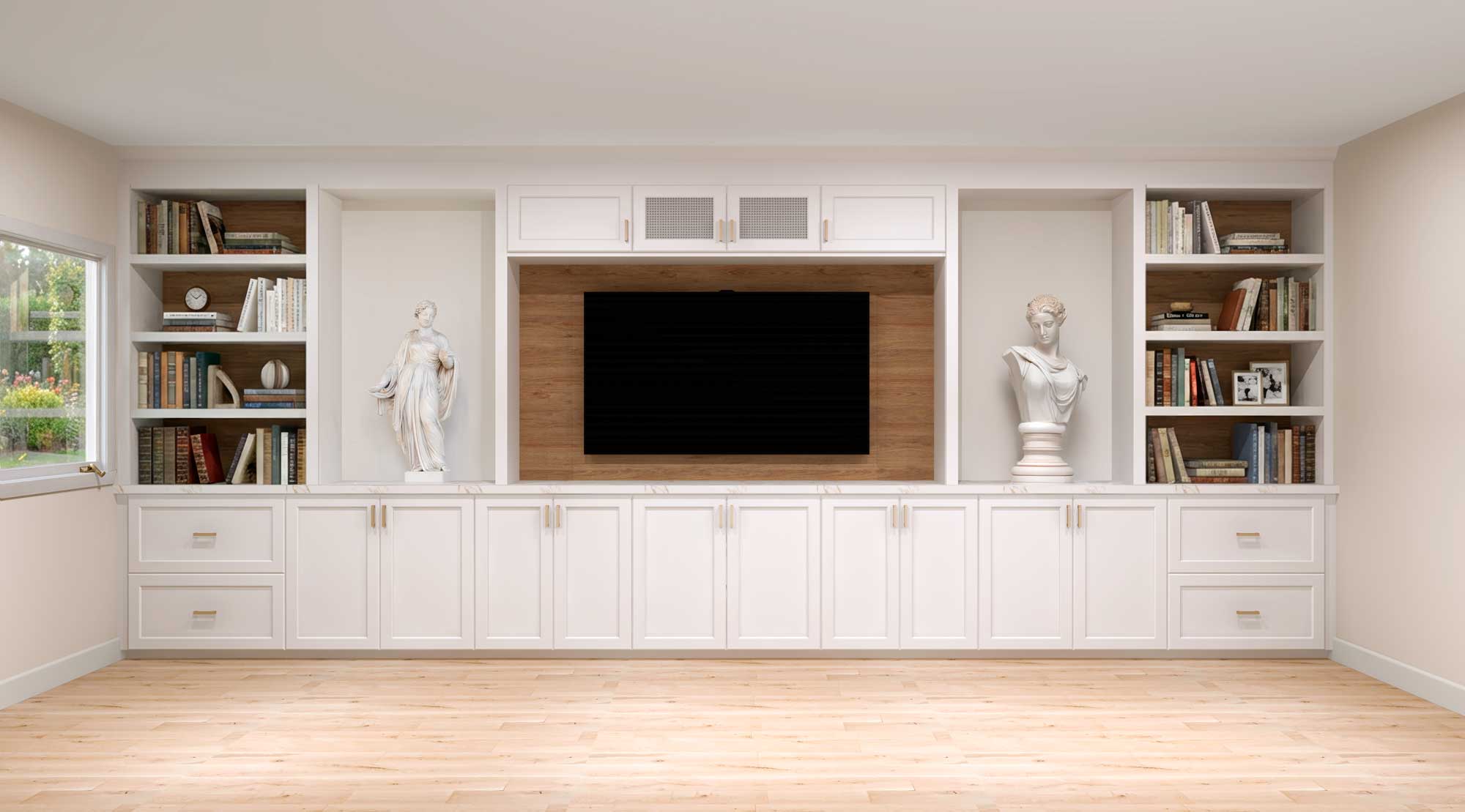
Concealed Comfort: A Custom IKD Media & Bar Design