
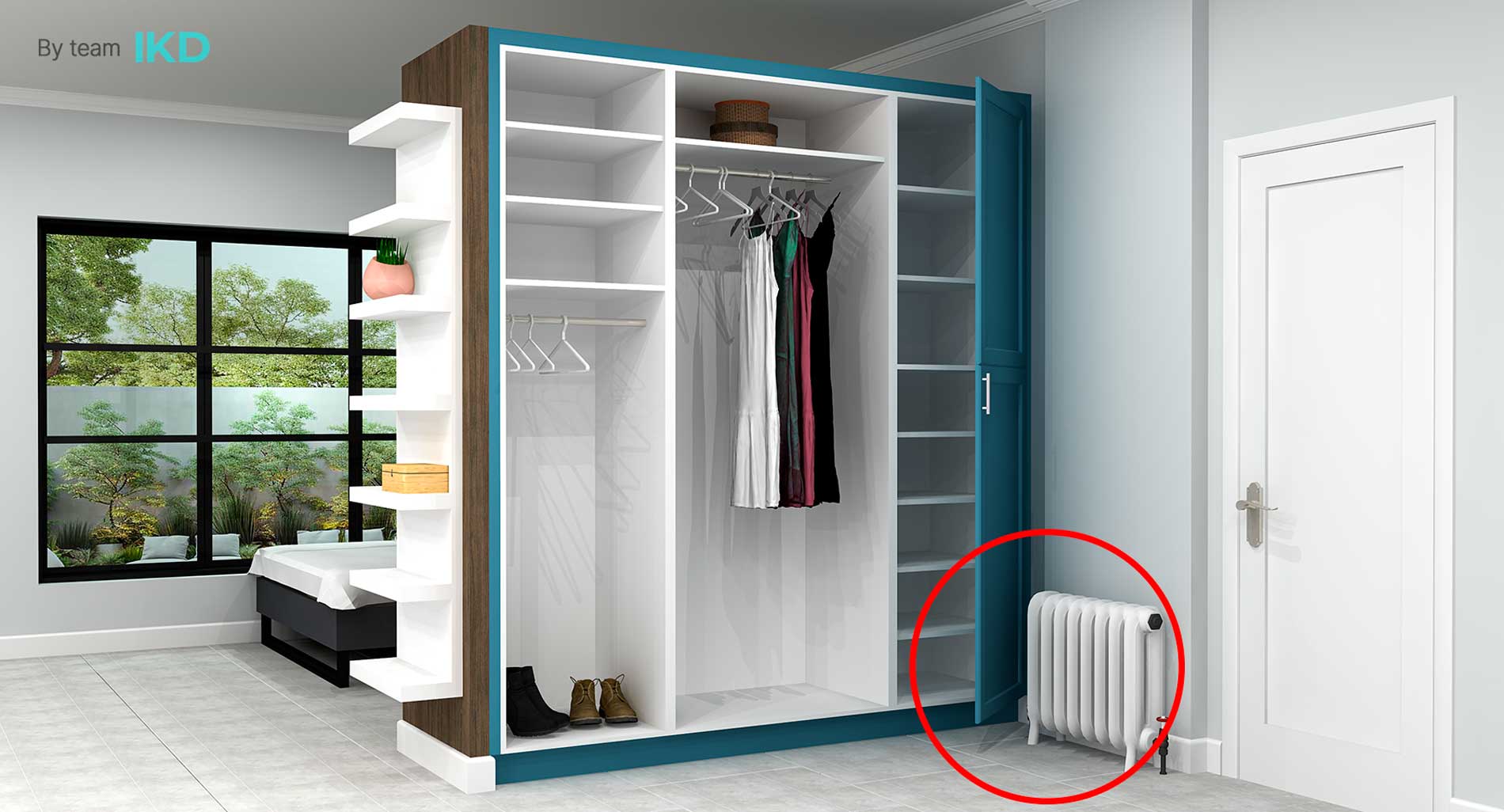
At first glance, IKEA closet designs seem complete.
The measurements fit, the layout feels balanced. In the IKEA Home Planner, cabinets and drawers snap neatly into place, looking like a finished solution.
For many homeowners, this is the point where the project seems ‘ready-to-go’!
But installation day is when that certainty begins to fade.
Walls are different than expected. Doors bump up against obstacles that weren’t obvious on the Home Planner. Drawers that looked functional don’t open up. Problem? The design hasn’t been given a ‘real-life-closet’ review.
It’s where many IKEA closet projects encounter problems—and where IKD’s professional IKEA closet design makes the difference.
Even Accurate Measurements Lead to Closet Design Mistakes
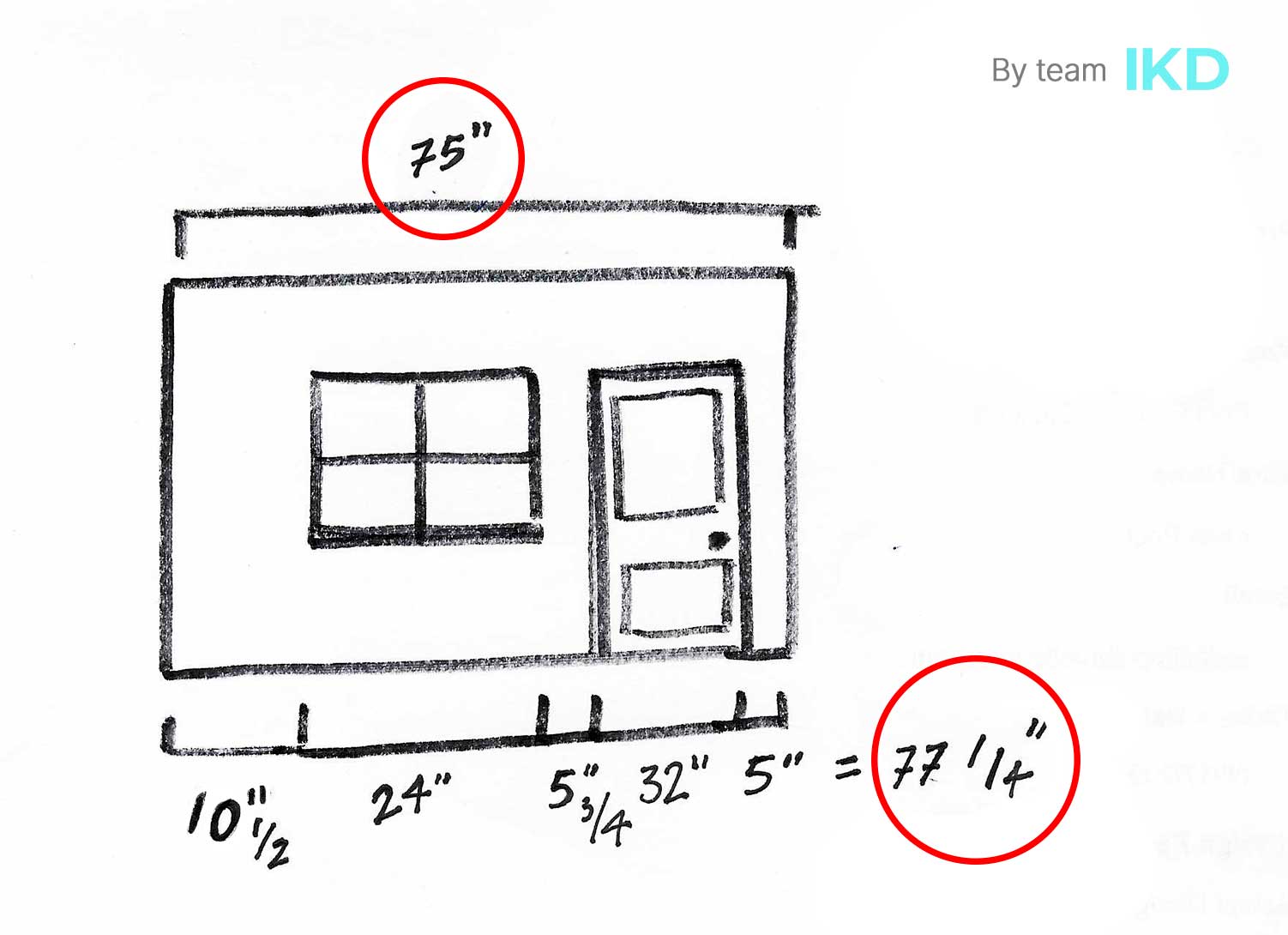
One IKD customer measured her reach-in closet carefully. Every dimension was noted, verified, and entered accurately into her IKEA Home Planner file. But she was concerned and sent it to us for a QC check.
On review, her IKD designer noticed something. The overall width of the space didn’t add up to the individual wall measurements. Nothing appeared incorrect, but the numbers didn’t work add up.
Our closet design software showed her layout as it would be installed—not just static images on a screen. We found the problem and adjusted her cabinet spacing, alignment and storage component types.
Had the closet been installed as originally planned, there would’ve been visible gaps, uneven alignment, and wasted materials—issues that surface only after components are ordered and installation is underway.
Instead, the design was corrected before anything was purchased. Installation went ahead without a hitch.
This is a common problem in DIY IKEA closet design. Measurements can be ‘accurate’ and still lead to problems when they aren’t checked against the overall space. We approach every space holistically—accounting for tolerance, alignment, and real installation conditions before finalizing a design.
Designing IKEA Closets Around Real Use.
Many IKEA closets technically work—but just don’t feel right over time.
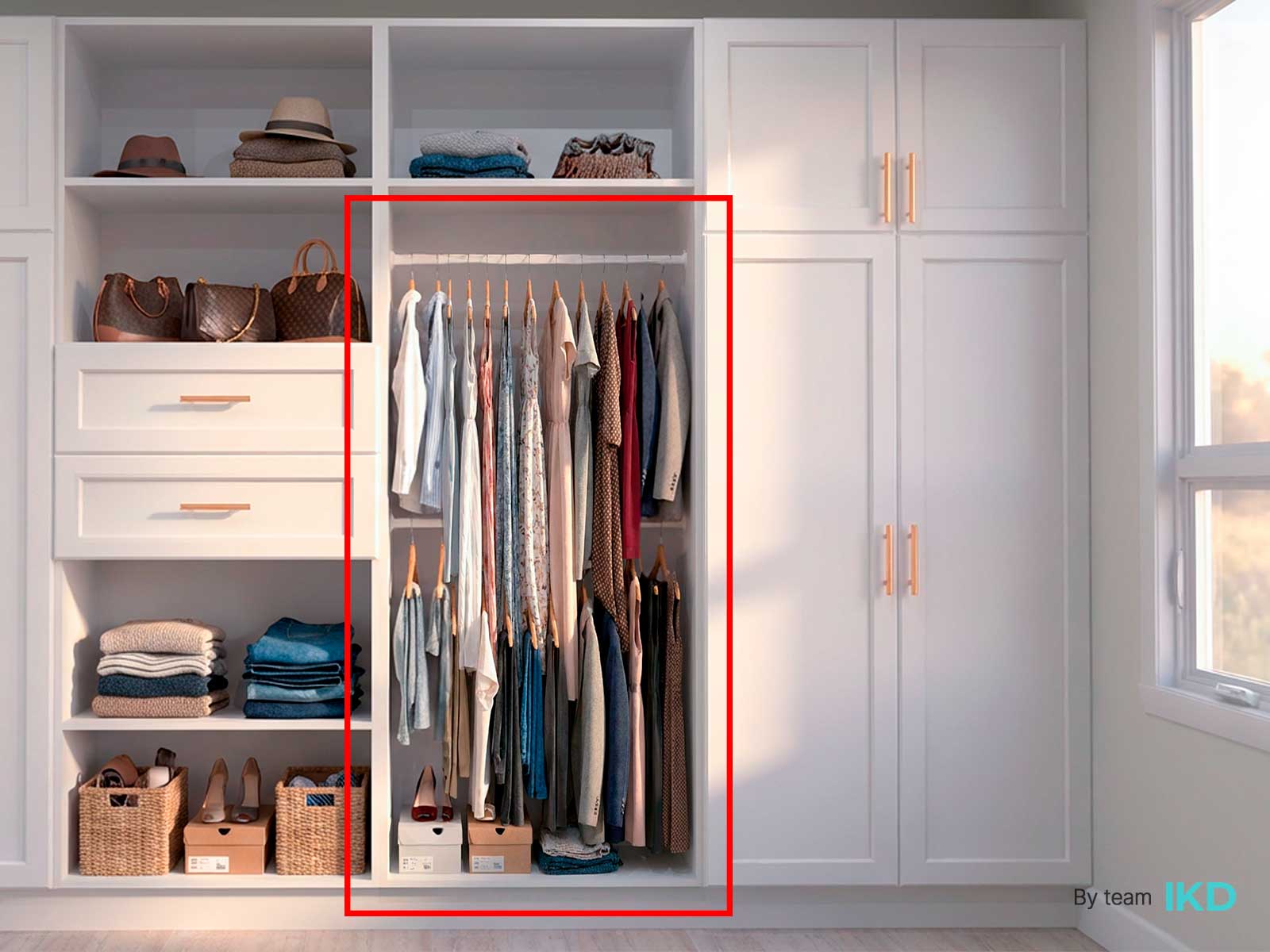
Her Home Planner closet looked great on paper. Nothing was overcrowded and every wall was utilized. Though over time, getting dressed felt awkward . . . crowded. Also, her dresses touched the floor. Shirts pressed against one another, upper storage was hard to access.
She called us for a Home Planner diagnostic. We saw that her original IKEA closet design was all about filling available wall space. Her IKD design prioritized how the closet was actually used.
By reviewing her wardrobe checklist, we identified the problem. Long-hanging storage hadn’t been considered. Vertical storage wasn’t working. The proportions looked OK, but functionally – nope.
Rod heights were moved. Hanging sections were redistributed. Storage types were selected based on daily routines rather than just fixed locations.
After installation, improvements were felt in small, everyday moments. Clothes hung freely, items were easier to reach. It all came together.
Installation Details Closet Designs Overlook
Some IKEA closet design mistakes don’t reveal themselves until installation begins.
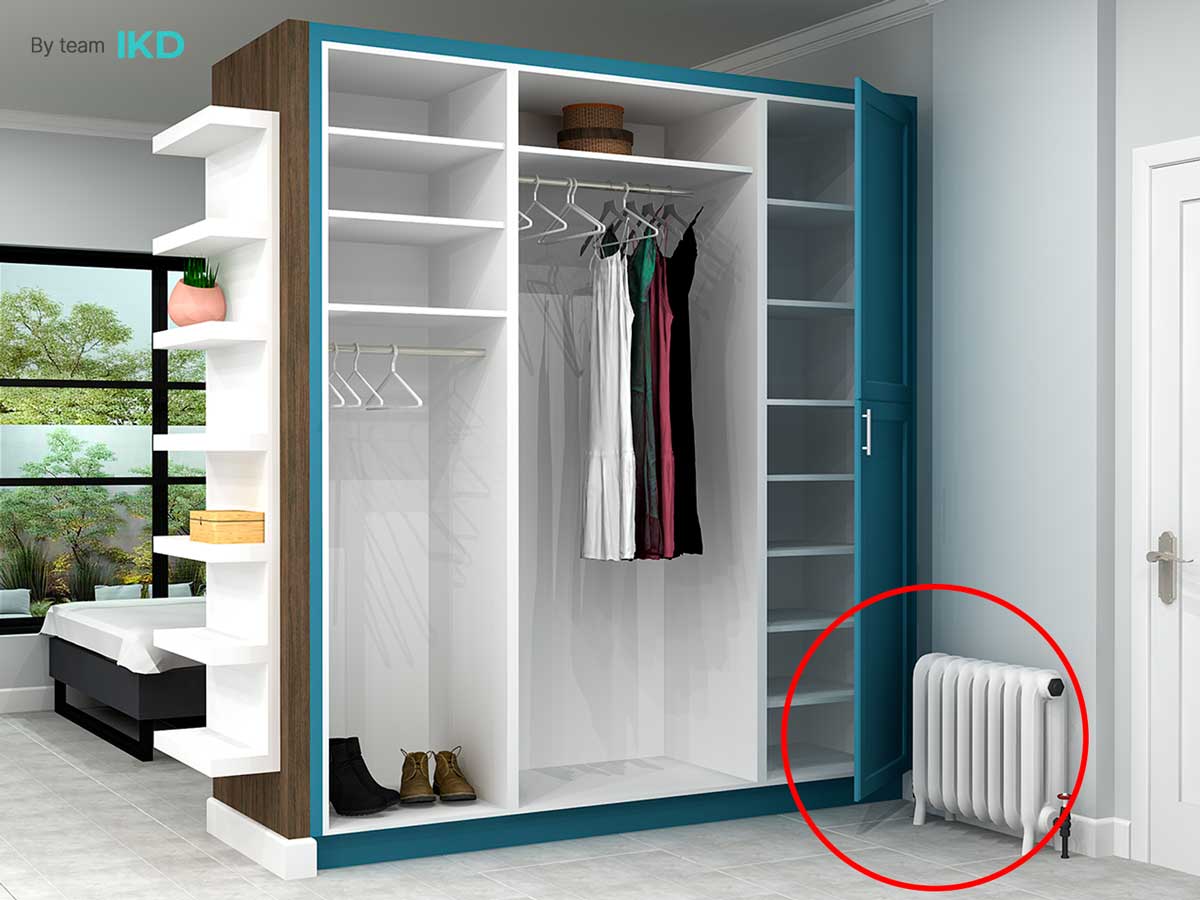
Here’s a case of a walk-in closet appearing straightforward—clean walls, generous space, no visible obstructions. But experienced IKD designers don’t just evaluate rooms as they are – they plan for how those rooms will be used.
While reviewing his photos, our designer noticed a door swing abutting a deep tall unit. In IKEA’s Home Planner, the layout looked workable – in real life it wouldn’t have been.
Cabinet depths were adjusted. Clearances were corrected.
When installation day arrived, nothing needed to be reworked. Doors opened fully and drawers cleared adjacent cabinetry. His closet functioned exactly as planned.
When Adding More Storage Products Creates More Problems
Homeowners sometimes assume that working through a challenging closet is to add more and more IKEA closet components.
It happened here. Her initial IKEA home planner closet design crammed drawers, shelves and rods wherever space permitted. What the layout lacked wasn’t storage capacity—it was balance.
Her IKD designer focused on space optimization rather than lots of IKEA components. Storage types were distributed intentionally, vertical space was extended where it mattered most. Storage components were selected for purpose, not to just fill up the space.
The result wasn’t an overloaded closet – it was one that felt calm, symmetrical, and complete. Every element served a role.
The IKD Difference in Professional IKEA Closet Design
IKEA closet systems are fantastic—but they require design focus.
Avoiding common IKEA closet design mistakes means more than selecting components in IKEA’s Home Planner. It requires complete space utilization, design symmetry, efficient use of materials, and planning for installation before anything is purchased. IKD uses professional closet design software rather than relying solely on IKEA’s Home Planner. Each design is evaluated for how it will install, function, and hold up over time.
Get a Professional IKEA Closet Design – All Online
Work with our certified designers to get a personalized closet designed around your needs and vision. If you’re interested in learning more about our service, make sure to check out our IKEA Closet Design Services.





IKD Past Projects
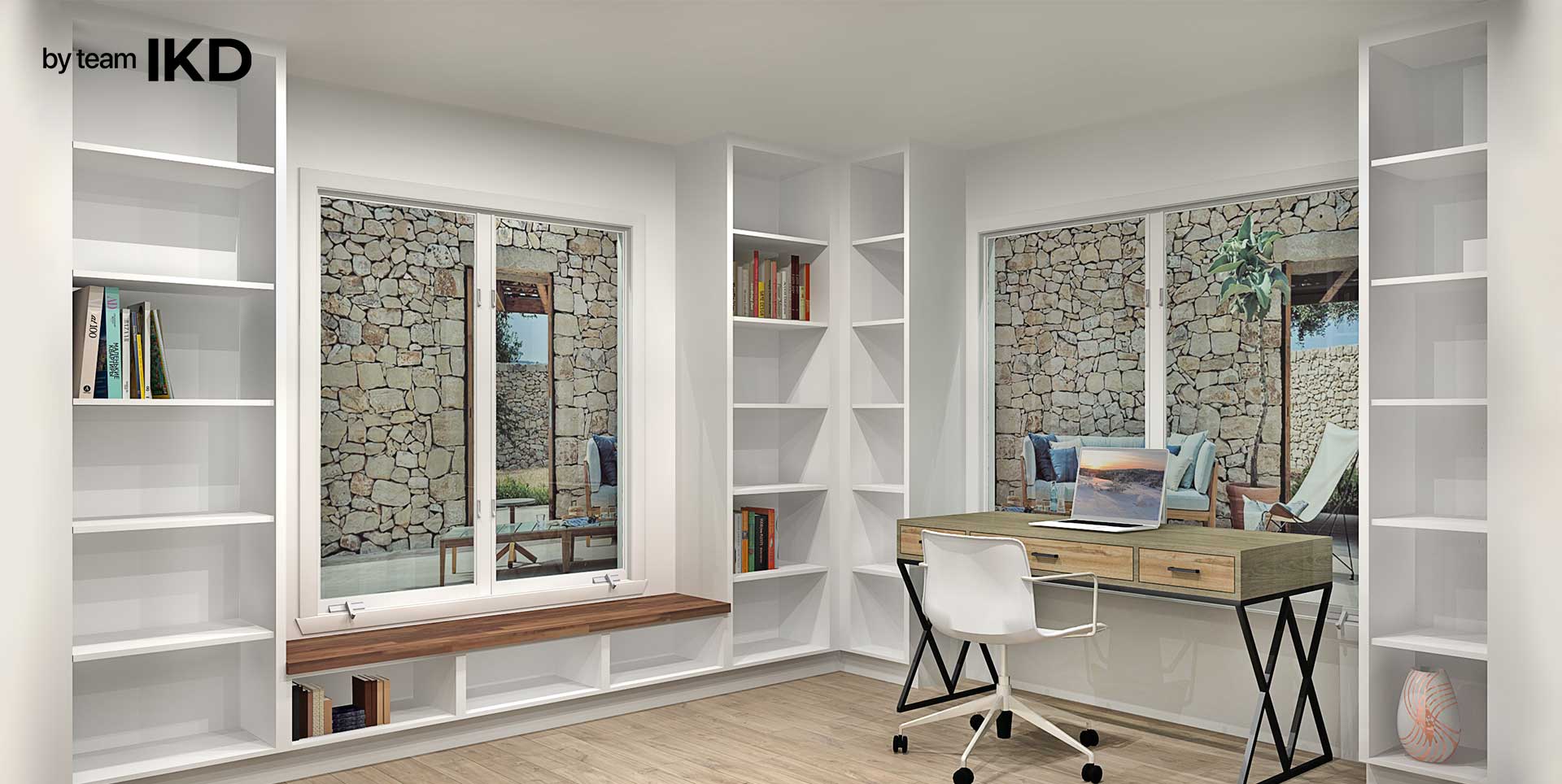
Transforming a Cluttered Storage Space Into a Modern Office Library
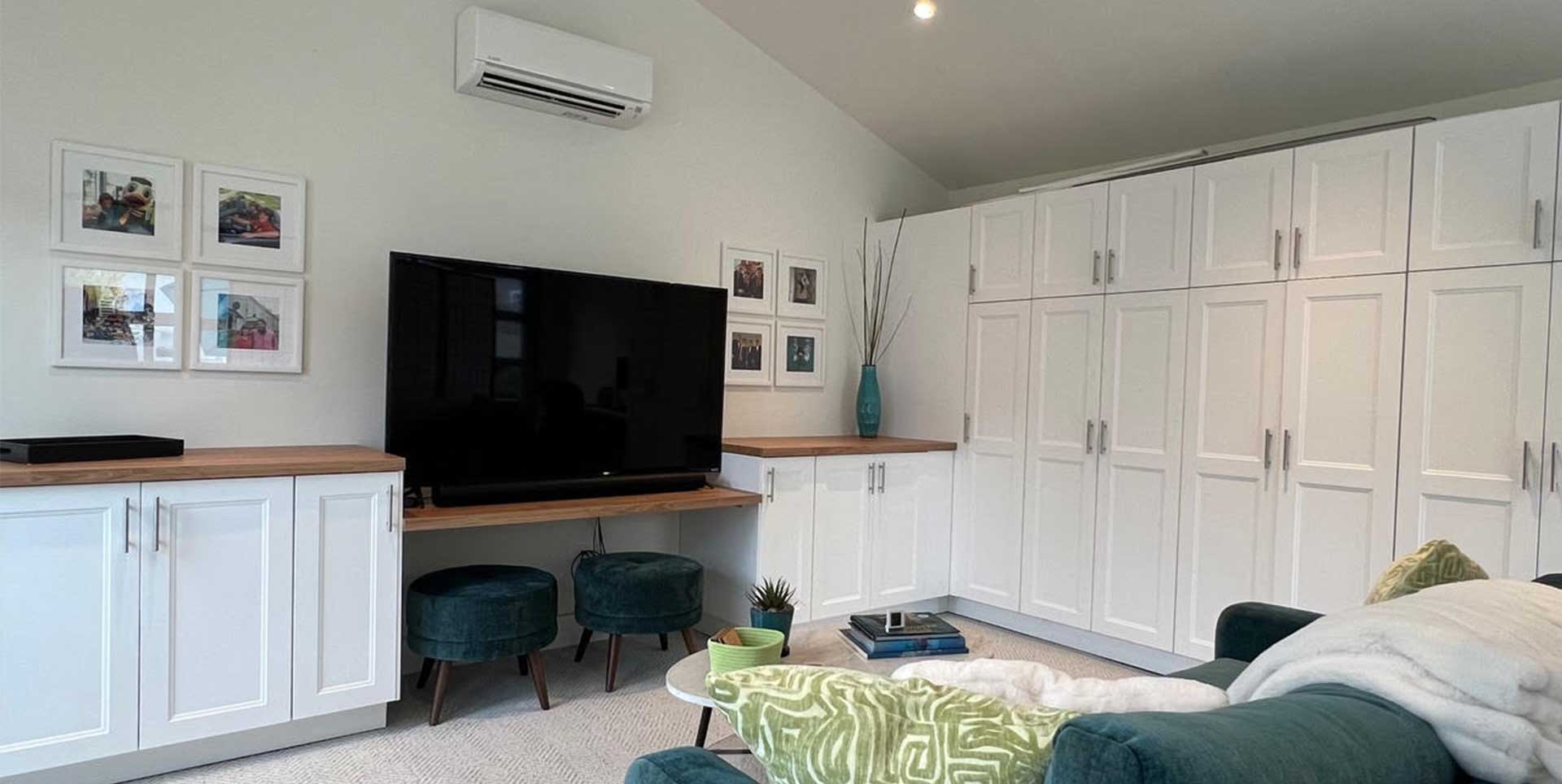
IKEA Laundry Room & Garage Remodel in Burbank, California
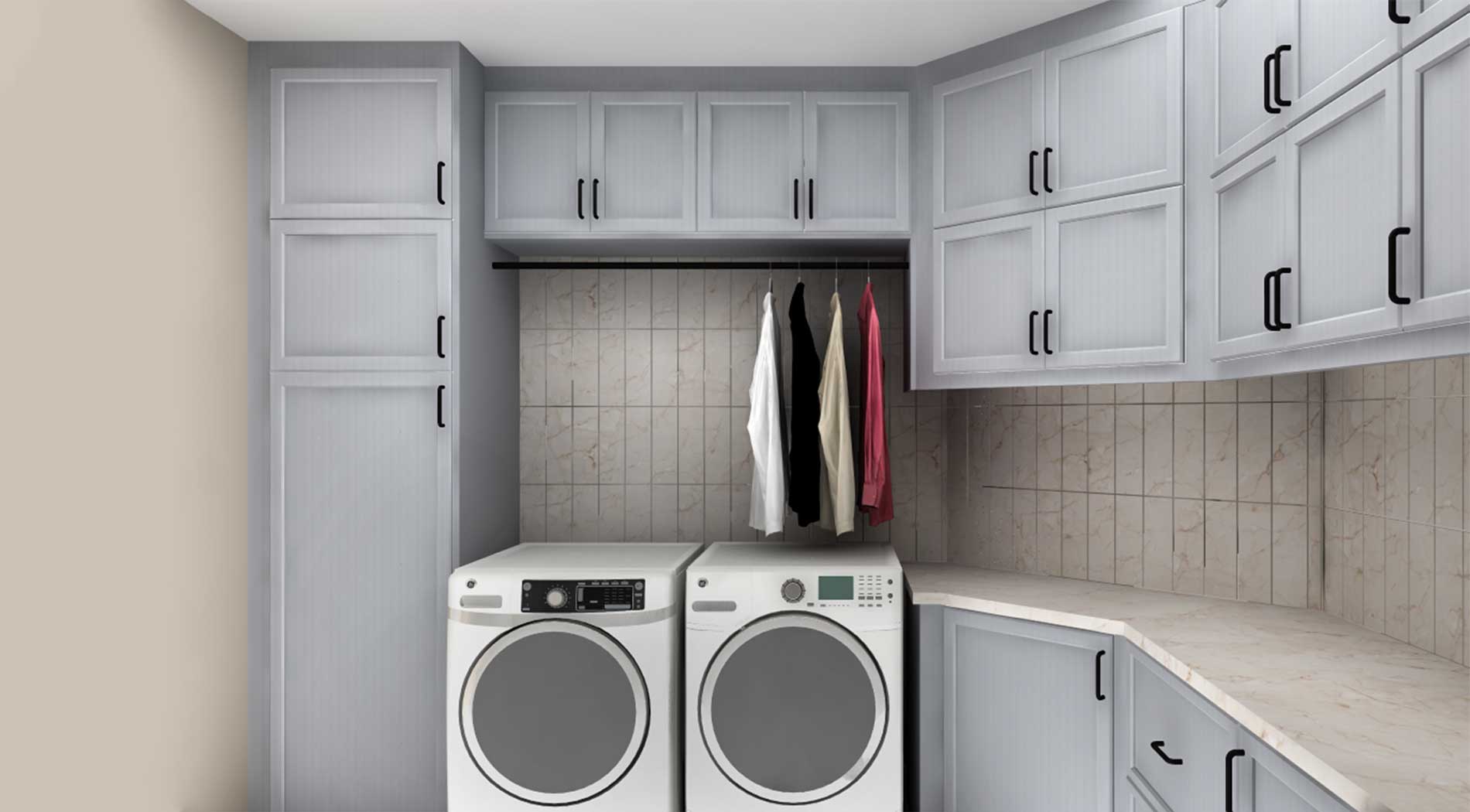
IKEA Laundry Room Uses Customized IKEA Cabinets to Overcome Design Challenges

IKEA Wardrobe & Mudroom Design in Australia | IKD Case Study

This family of five modernized their IKEA kitchen area
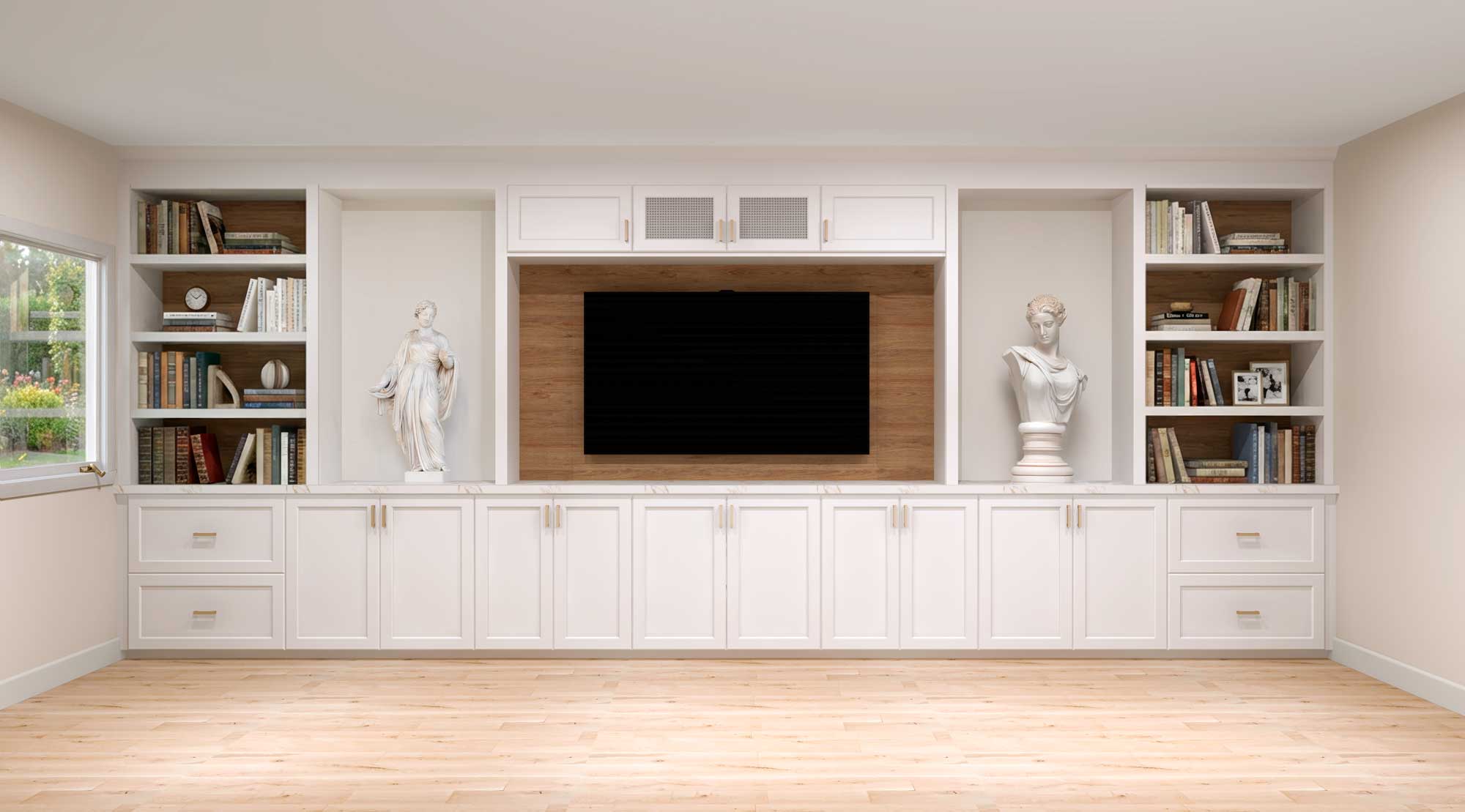
Concealed Comfort: A Custom IKD Media & Bar Design